Case Studies: The Impact of the Community Energy Fund
Our charity partner, the Poverty and Environment Trust, have published a new report, Overwhelmed and Oversubscribed: The Community Energy Fund’s Beginnings, which surveys the rollout of the £10 million Community Energy Fund (CEF) from its launch in January 2024 to March 2025. You can read about its key findings here.
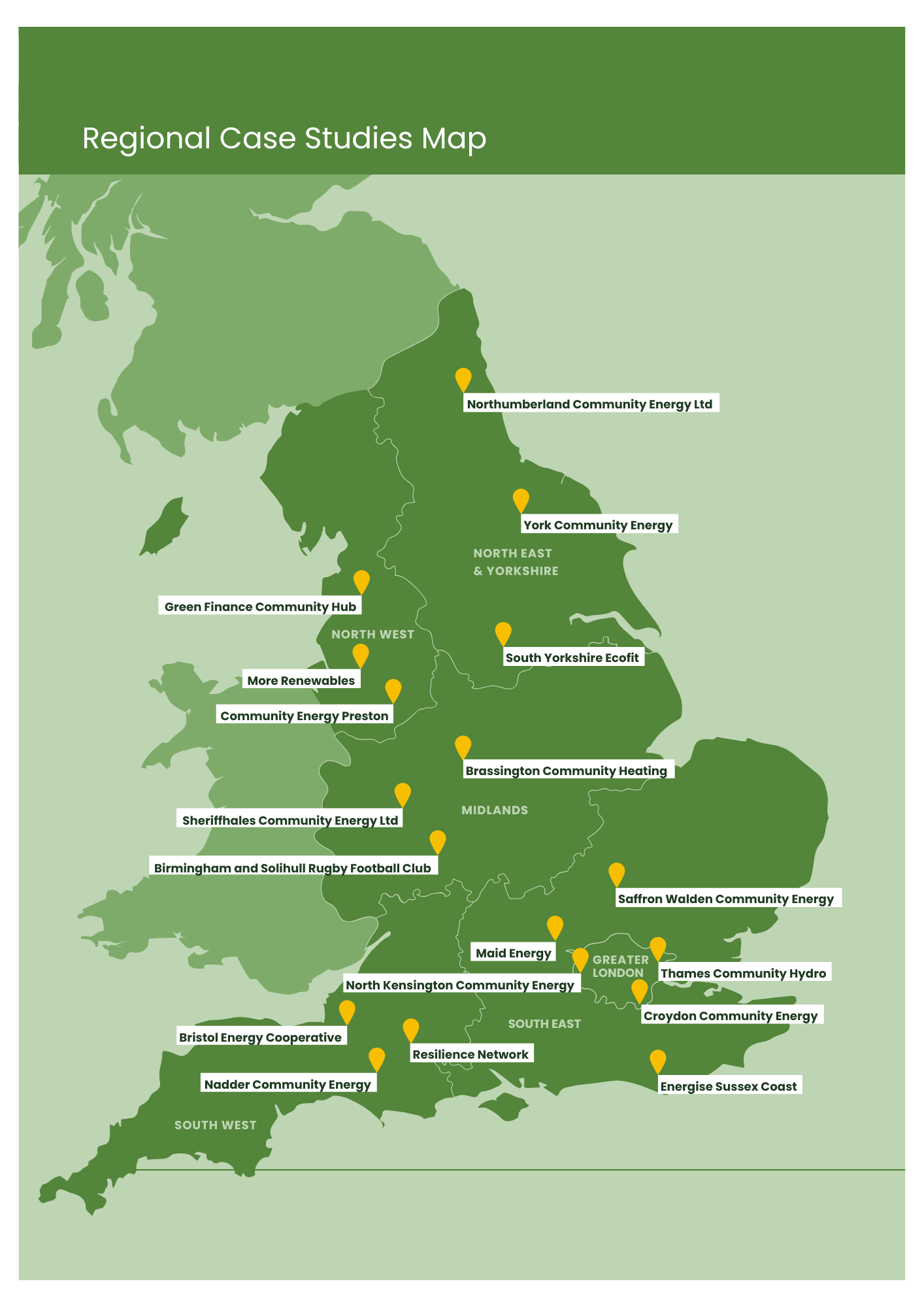
Alongside big-picture insights, the report includes a number of case studies, based on interviews with representatives from successful CEF applicants. These case studies showcase the nationwide reach of the CEF, the diversity of projects it has enabled, and the impact participating community energy groups are creating in their local communities. It is evident that the CEF has had a critical impact on the development of these projects.
Case Studies
York Community Energy
Type of organisation
Community Benefit Society
Location
York, North Yorkshire
Grant(s) received
Two grants have been approved; £19,634 and £18,608. They are both Type A generation projects and Stage 1 Feasibility grants.
The project
The Solar City York project aims to install up to 1 megawatt peak of community-owned solar across 5-10 rooftops.
Impact of the Community Energy Fund
The CEF grants have supported feasibility work for 12 potential sites. This has involved expanding the staff team, surveying and legal fees, and community engagement. Not only did York Community Energy outline that the funding was crucial to developing feasibility reports and a robust portfolio, they also said it gave them more legitimacy with local businesses which is pivotal to building a strong portfolio of sites.
Staff capacity and administration remain significant challenges for York Community Energy in developing and running projects led by part-time volunteers. In particular, the CEF’s reporting schedule means that York Community Energy submits up to eight reports a quarter.
“Without funding pots like this, it would be incredibly challenging for groups like ours to progress these important community energy projects.”
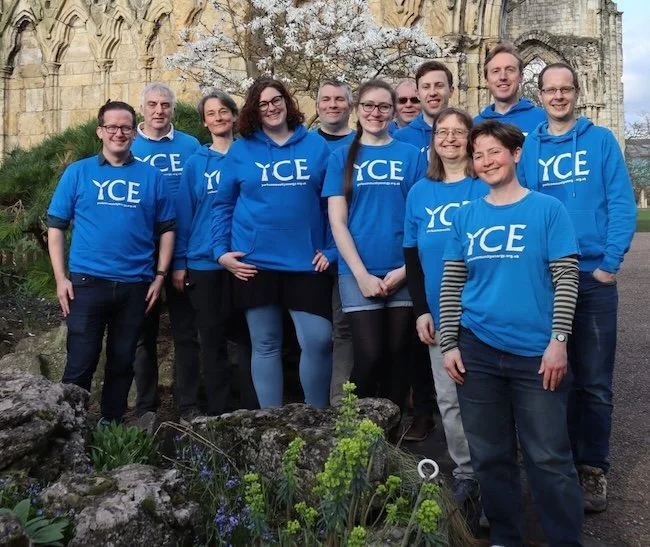
The team at York Community Energy
Northumberland Community Energy Ltd
Type of organisation
Community Benefit Society
Location
York, North Yorkshire
Grant(s) received
Two grants have been approved; £28,080 and £29,835. They are both Type A generation projects, Stage 1 Feasibility grants.
The project
The development of rooftop solar and battery storage on 100 different community energy sites across Northumberland.
Impact of the Community Energy Fund
The CEF grants will contribute to feasibility studies at 33 sites. Northumberland Community Energy praised the CEF for acting as a valuable catalyst, particularly by attracting investment interest.
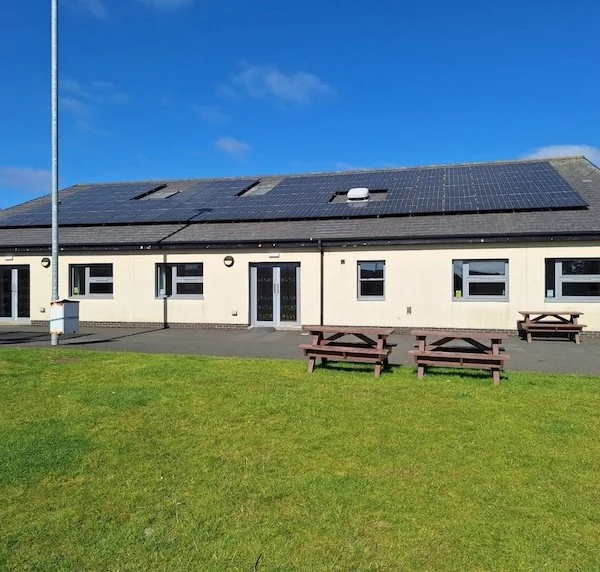
Solar Panels on Longhoughton Community & Sports Centre
South Yorkshire Ecofit
Type of organisation
Community Interest Company
Location
South Yorkshire
Grant(s) received
£40,000, Type B energy efficiency project, Stage 1 Feasibility.
The project
A holistic retrofit service tailored to South Yorkshire residents. The project uses human-centred design to engage diverse communities, understand barriers to energy efficiency improvements, and co-design solutions to overcome them.
Impact of the Community Energy Fund
CEF funding is supporting community engagement, prototype development, and financial modelling, with the goal of creating a scalable, community-led retrofit service. While still in its early stages, the project has gathered learnings from public events and workshops in collaboration with experienced retrofit organisations.
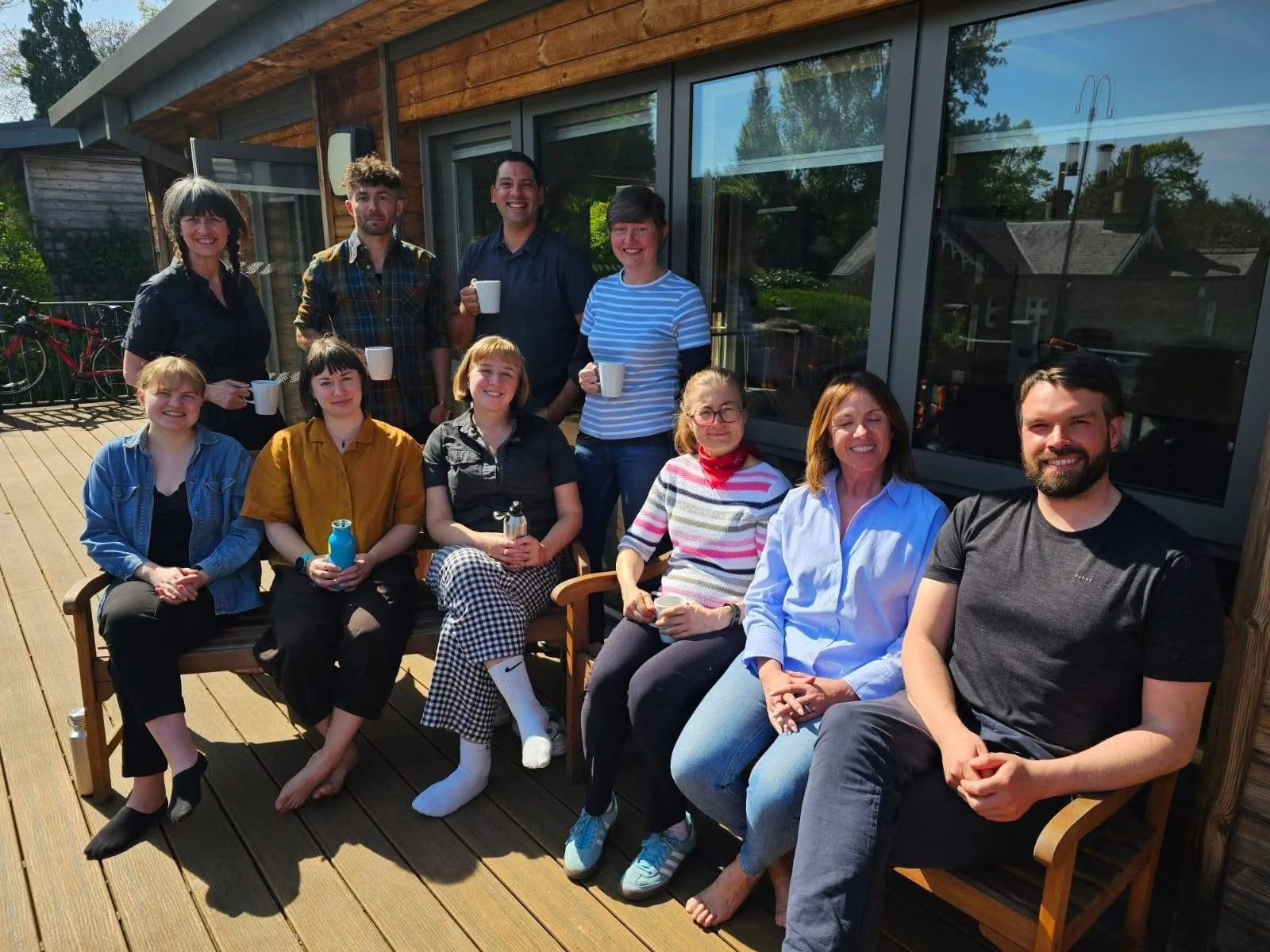
The South Yorkshire Ecofit Team and local residents
More Renewables
Type of organisation
Community Benefit Society
Location
Lancaster, Lancashire
Grant(s) received
£38,138, Type A generation project, Stage 1 Feasibility.
The project
A shared renewable heating system aiming to help several properties transition from gas and heat pumps by 2030.
Impact of the Community Energy Fund
More Renewables praised the CEF for offering specific funding for consultancy and other initial costs faced by community energy projects, which can often struggle to secure early-stage grant funding.
While challenges remain in developing the project and ensuring financial viability, the grant provided a low-risk opportunity to carry out a feasibility study and lay the initial groundwork.
Community Energy Preston
Type of organisation
Community Benefit Society
Location
Preston, Lancashire
Grant(s) received
£25,000, Type A generation project, Stage 1 Feasibility.
The project
The installation of rooftop solar panels at three local sites: Preston College, Penwortham Priory Academy, and Recycling Lives. These proposed installations would have a combined generating capacity of over 700 kilowatt peak.
Impact of the Community Energy Fund
The CEF enabled Community Energy Preston to partner with ShareEnergy to carry out feasibility studies, technical assessments and initial legal work. These critical early-stage activities would otherwise have required loans.
“We would not be able to do any of the above without the Community Energy Fund.”
Green Finance Community Hub
Type of organisation
Community Interest Company
Location
West Cumbria coast, Cumbria
Grant(s) received
£39,980, Type A (Community energy asset project), Stage 1 Feasibility.
The project
Project Collette is an ambitious plan for a 1.2 gigawatt community-led offshore wind farm.
Impact of the Community Energy Fund
The CEF grant enabled the community hub to commission a feasibility study, develop a financial model and strategy, and produce a community engagement and finance report. Funding arrived at a critical time, helping to build credibility for the project and secure additional grants. While challenges remain in delivering a project of this scale, the funding provided vital support for early research and helped promote Project Collette to the public.
“We were grateful to get the Community Energy Fund grant and it came at a time when we really needed some grant support.”
Brassington Community Heating
Type of organisation
Community Interest Company
Location
Brassington, Derbyshire
Grant(s) received
£100,000, Type A generation project, Stage 2 Development.
The project
A low-carbon network of air source heat pumps powered by electricity from Carsington wind farm. The project aims to deliver 827 kilowatts of heat and reduce carbon emissions by 700 tonnes annually to lower energy costs for the community and improve local air quality. Brassington is not connected to the mains gas grid, and many homes still rely on oil, petroleum gas and solid fuel to heat their homes.
Impact of the Community Energy Fund
The CEF is a central source of funding for the project’s development following its feasibility study, which was supported by the now ceased Rural Community Energy Fund.
Birmingham and Solihull Rugby Football Club
Type of organisation
Company Limited by Guarantee
Location
Portway, Birmingham
Grant(s) received
£98,576, Type A generation project, Stage 2 Development.
The project
The development of a microgrid on the football club’s grounds in order to reduce the club’s energy costs.
Impact of the Community Energy Fund
The CEF has enabled the club to progress a planning application for the project. This includes plans for a 1.5 megawatt ground-mounted solar PV array, a 50 kilowatt lithium-ion battery storage system, a 150 kilowatt compressed air energy storage system, and dual-point electric vehicle chargers.
Sheriffhales Community Energy Ltd
Type of organisation
Community Benefit Society
Location
Sheriffhales, Shropshire
Grant(s) received
£40,000, Type A generation project, Stage 1 Feasibility.
The project
Investigating the potential for Sheriffhales Community Energy’s 3.2 megawatt community-owned solar farm to directly supply local consumers through a new electric charging station with four 150 kilowatt chargers. The solar farm, operating since 2015, currently generates enough electricity to power 825 homes and generate surplus income for local community benefit.
Impact of the Community Energy Fund
The CEF grant will be used to investigate the feasibility of an electric vehicle charging station to increase and diversify community impact.
Energise Sussex Coast
Type of organisation
Community Benefit Society
Location
Sussex
Grant(s) received
£40,000, Type A generation project, Stage 2 Development.
The project
A 6.3 megawatt solar farm.
Impact of the Community Energy Fund
This solar farm project was initially supported by the Rural Community Energy Fund, but progress stalled after the fund ended. Previous setbacks due to planning application costs and a subsequent budget overrun were resolved with the CEF grant. This funding will support consultation with the public and UK Power Networks, helping Energise Sussex Coast investigate the viability of a private wire connection.
“Without Community Energy Fund support, the costs of progressing this project would have been insurmountable.”
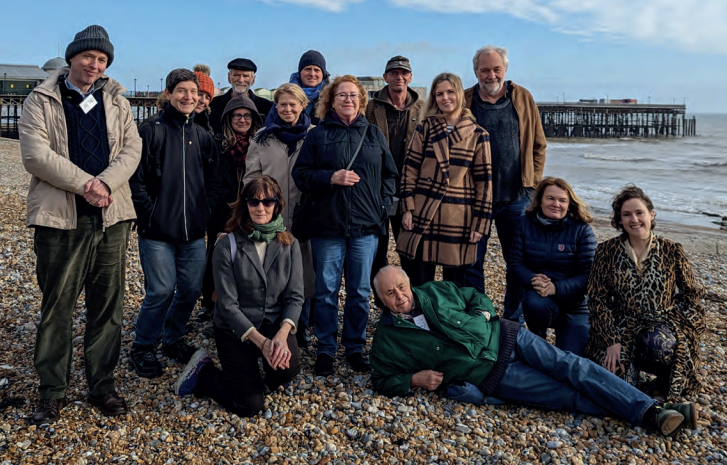
The Energise Sussex Coast team
Saffron Walden Community Energy
Type of organisation
Community Benefit Society
Location
Littlebury, Essex
Grant(s) received
£40,000, Type A generation project, Stage 2 Development.
The project
A village heat network of 240 homes, aiming to decarbonise Littlebury village. Littlebury is currently off the gas network, with homes using oil-fired boilers, liquefied petroleum gas, or direct electric heating.
Impact of the Community Energy Fund
With funding from the CEF, the village now has a clear path forward to decarbonisation. There are plans to apply for Stage 2 development funding.
“The Community Energy Fund has generated momentum, in that we can move forward to applying for Stage 2 funding to see how we could put the findings of the feasibility study into practice.”
Maid Energy
Type of organisation
Cooperative
Location
Marlow, Buckinghamshire
Grant(s) received
£100,000, Type A generation project, Stage 2 Development.
The project
A 250 kilowatt hydropower scheme on the River Thames.
Impact of the Community Energy Fund
The CEF grant will finance detailed engineering designs, environmental permits and planning applications to help in the progress of the project toward construction.
North Kensington Community Energy
Type of organisation
Community Benefit Society
Location
North Kensington, London
Grant(s) received
£40,000, Type A generation project, Stage 1 Feasibility.
The project
Installing rooftop solar, with a total generating capacity of 500 kilowatts, across six council buildings in Kensington and Chelsea.
Impact of the Community Energy Fund
The CEF grant supports a feasibility study and will fund dedicated staff to operate community engagement initiatives in the project. Once operational, the funds generated from these installations will contribute to North Kensington Community Energy’s existing community fund, which supports local initiatives including community gardening, cookery courses, youth programmes and additional low-carbon energy projects.
Thames Community Hydro
Type of organisation
Community Interest Company
Location
Hampton, London
Grant(s) received
£40,000, Type A generation project, Stage 1 Feasibility.
The project
A community-owned micro-hydropower scheme at Molesey Weir on the River Thames.
Impact of the Community Energy Fund
The study will assess the technical and financial viability of generating hydroelectric power at the site, and the potential of this to address both climate mitigation and adaptation objectives.
Croydon Community Energy
Type of organisation
Community Benefit Society
Location
Croydon, London
Grant(s) received
£40,000, Type A generation project, Stage 1 Feasibility.
The project
Rooftop solar installations on a church, secondary school, and college in Croydon.
Impact of the Community Energy Fund
The CEF grant has helped accelerate negotiations with site owners and will enable technical and financial viability studies needed to progress to the next stage. Founded in 2021, this will be the group’s first operational project and the first community-owned energy scheme in Croydon.
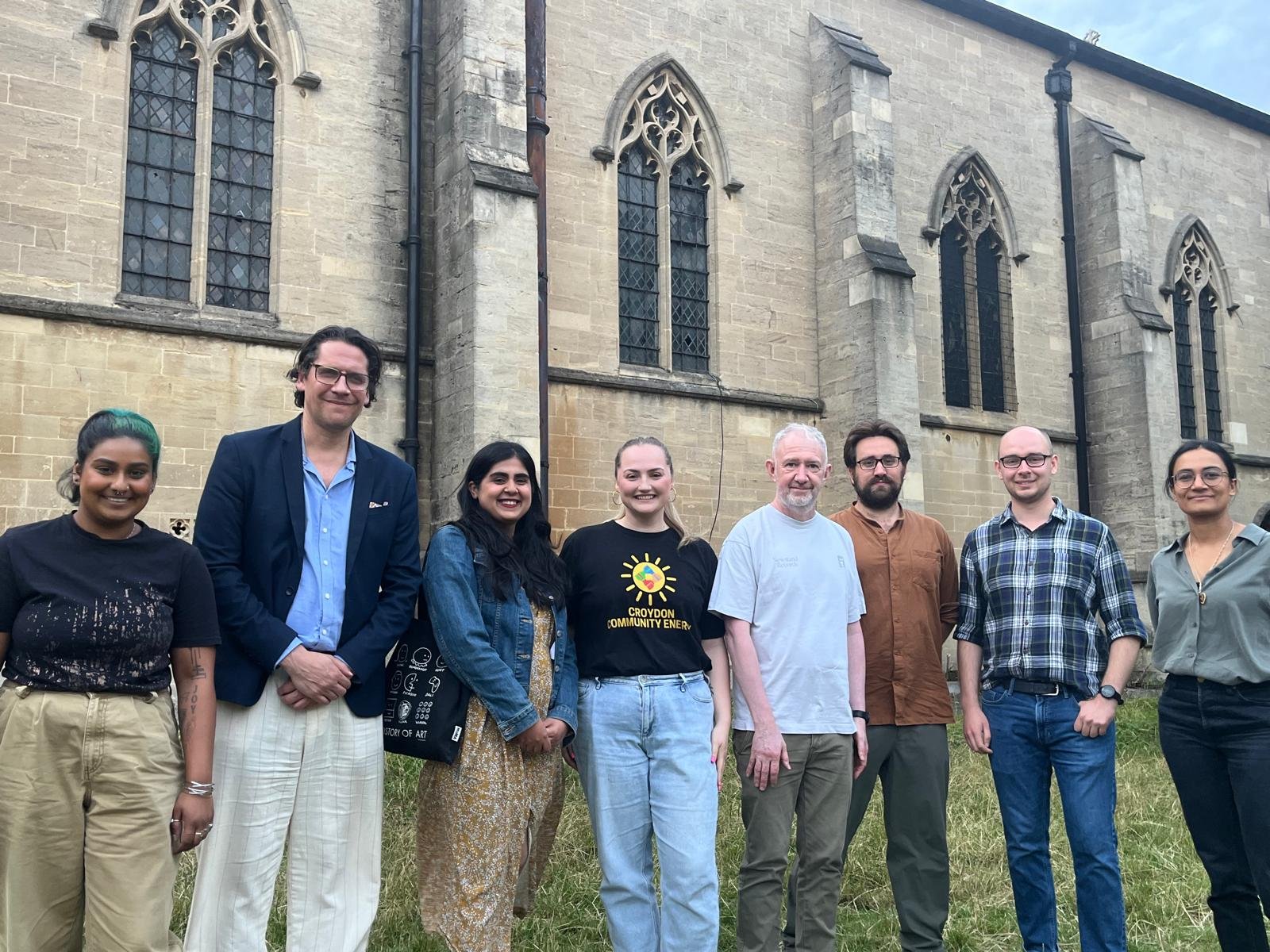
The team at Croydon Community Energy in front of
Holy Innocents Church, the site of a feasibility study
Resilience Network
Type of organisation
Community Interest Company
Location
Bristol, South Gloucestershire
Grant(s) received
£40,000, Type A (community energy asset project), Stage 1 Feasibility.
The project
A network of rooftop solar installations on domestic buildings. The organisation aims to strengthen the resilience of vulnerable households in and around Bristol against the impacts of climate change and the ongoing energy crisis in the UK, which is disproportionately affecting the poorest.
Impact of the Community Energy Fund
The CEF grant will enable feasibility studies and the raising of community investment for a planned pilot trial of 100 homes across 10 streets. The project aims to involve over 20,000 homes in the long run. Installations would be free for homeowners and tenants, who would then benefit from reduced energy costs for hosting the panels.
Bristol Energy Cooperative
Type of organisation
Cooperative
Location
South Gloucestershire
Grant(s) received
BEC have received Stage 1 feasibility funding for 3 Type A generation projects, and a further £100,000 Stage 2 development grant for one of these projects.
The project
Two feasibility applications have investigated innovative projects to combine renewable technologies to maximise energy generation, including wind, solar, and battery storage. The third project proposes a large-scale ground mount solar farm.
Impact of the Community Energy Fund
The grants will be used to explore ownership models and support community consultation. These projects required detailed feasibility which, Bristol Energy Cooperative reports, would be too risky to fund without grant support.
“A major restriction of the Community Energy Fund funding is the available budget - for larger scale projects, Stage 2 funding is not sufficient.”
Nadder Community Energy
Type of organisation
Community Benefit Society
Location
Tisbury, Wiltshire
Grant(s) received
£19,200 Stage 1, Type A
The project
A ground-mounted 250 kilowatt solar PV array with battery storage, building on an existing 49kW array. Nadder Community Energy plans to launch a community share offer to raise capital costs, with all shareholders becoming equal members of Nadder Community Energy and any surplus profits set aside for a community benefit fund for local green projects.
Impact of the Community Energy Fund
The CEF funded an investigation into the feasibility of a local energy club that would provide residents who sign up to the scheme with cheaper, cleaner electricity. The success of this feasibility study means that, to date, Nadder Community Energy has made significant progress towards receiving a Stage 2 Development grant. Nadder Community Energy noted some frustration with the administrative demands of the Community Energy Fund.
Read the full report here